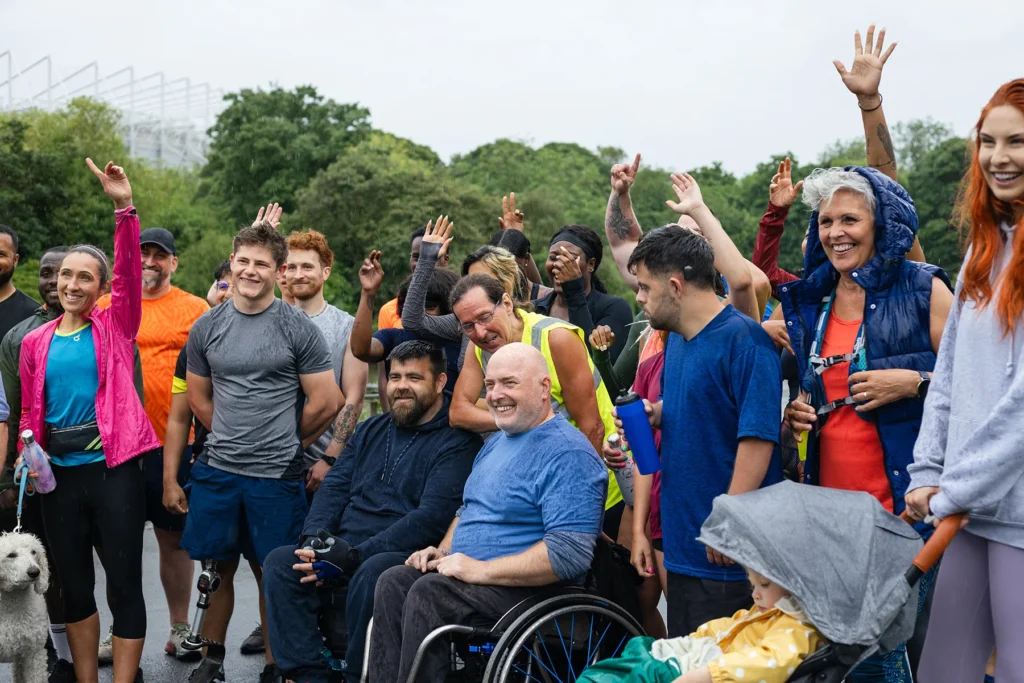
Participation in community is one of the most crucial factors in building strong, healthy societies. When citizens become active members of their communities, they create support networks and promote social cohesion, empowering people to solve problems through joint participation in community. Firm community participation does not mean only showing up but making a valuable contribution to the common life and welfare of others in the community. This blog will cover important aspects of involvement in the community, why it matters, its benefits, and how people can engage.
Why Being an Active Community Member
Engagement in community promotes social bonds that are critical for human connection and health, contributing to society’s participation in community. By participating, people overcome loneliness, develop friendships, and develop a sense of identity with their neighbours and peers. Community life becomes stronger when more people are involved, whether through volunteering, attending meetings, or participating in local projects.
Moreover, community involvement empowers people. It provides individuals with a stake in the decisions that impact their lives, makes local leaders more accountable, and fosters a sense of responsibility towards others’ participation in community. Through engagement, communities grow more receptive and strong-minded, capable of tackling issues together rather than leaving them to single individuals or the government.
Social and Personal Benefits
The gains of involvement in the community reach way beyond that of immediate social area participation in community. Studies have consistently indicated that community engagement has the ability to enhance physical and psychological well-being. Individuals who regularly engage in community activities report lower stress levels, fewer instances of depression, and higher overall life satisfaction.
At the individual level, community involvement offers growth opportunities. It helps individuals acquire new skills, become confident, and broaden their participation in community. Indicatively, aspects of leadership, communication, organisation, and skills can be transferred to other areas of life through volunteering in community projects.
Equity and inclusion are encouraged at the community level through participation. This helps address the needs of all groups in decision-making processes because of the varied members who make up the community. This helps to minimise marginalisation and creates a more just society, through participation in community. Engagement provides a vehicle for underrepresented voices and helps create communities open to all.
Types of Community Participation
Community involvement may take many forms in accordance with the community’s interests, availability, and context. Some of the popular methods of people’s participation include:
- Volunteering: Donating some time to the local causes like food banks, schools, environmental initiatives or cultural events. One of the most direct ways to be part of a community is to volunteer.
- Local Meetings: Attending town halls, neighbourhood association meetings, or school board meetings will enable residents to meet decision-makers and influence local policies.
- Participating in Community Groups: These are social, hobby, advocacy, or religious groups where one is able to develop a relationship and collaborate with the group.
- Civic Engagement: Voting during the procedure of elections and participating in campaigns enhances democracy at the community level.
- Planning or Attending Community Events: Festivals, cleanups, fundraisers, and local celebrations are a way of getting people together and developing a sense of pride in the locality.
- Online Involvement: The digital platforms have now also offered means of community involvement at a distance and have broadened the way and place of participation.
All types of involvement in the community have their own advantages and help to the well-being of the social ecosystem as a whole.
The way to become more engaged in community
In case you are interested in contributing more but do not know where to begin, the following are some steps that can work:
- Start Small: First of all, go to local events or volunteer for a few hours. This helps develop a sense of comfort and awareness of community needs.
- Meet Your Neighbours: Introducing yourself to the neighbours will build trust, open you up, and get you included in the community projects you are participating in.
- Keep In the Know: Subscribe to community newsletters, social media pages and bulletin boards to learn about activities and meetings.
- Determine Your Interests: Select community groups or causes that match your passions or talents.
- Give consistently: Though small, frequent gifts add up and change with time.
- Use Your Talents: Be it that you are a good organiser, instructor, gardener or fundraiser, your talents can be used in community activities.
- Get Other People to join in: Sometimes a personal invitation can be used to encourage friends or family to join in and make the impact more significant.
- Respect Diversity: Be proactive in inviting and involving members with different backgrounds to enhance the involvement in the community.
Anyone may enhance their involvement and take more pleasure out of it by being more proactive and receptive to new experiences.
The obstacles to participation in Community
Since the obvious advantages exist, most individuals are not able to participate in the community due to barriers. Engagement can be hindered by time limitations, non-accessibility by means of transportation, isolation, and lack of information. These barriers are some that must be overcome to enable vibrant, inclusive participation.
The processes of organising and communities ought to be aimed at establishing friendly and affordable spaces. These involve timing of activities at a favourable time, offering child care or transportation when necessary, and communicating in various languages or formats in an understandable manner.
Use of technology can also close the divide of hosting virtual meetings or developing virtual platforms through which meetings can take place at the convenience of individual participation in community. By designing positions to suit the level of dedication, more individuals can be accommodated under their own conditions.
Finally, developing the culture of inclusion where difference is valued and the voices of minority groups are heard can serve as a way of making sure that the engagement in community becomes indeed representative and honouring.
Actual Life Cases of Community Involvement
Engagement in the community is depicted all over the world because of the activities that generate sustainable change. Neighbourhood watches involve the neighbours in crime prevention and safety, and establish trust with the police. Community gardens convert the empty areas into providers of fresh food and community.
Participatory budgeting also makes government more and more transparent and allows citizens to make decisions about how municipal funds are used. Cultural festivals are known to honour the past, boost tourism and bring people of various ethnic groups together.
Engagement in Community in Crisis
Community participation is even more important during a crisis like a natural disaster, pandemic, or economic slowdown. Relief efforts are often led by local volunteers who provide vulnerable neighbours with food, shelter and information. More participation in a community results in a faster recovery because of the more developed support system and organised efforts. This shows that long-term involvement is a resiliency investment.
Summary
Community participation is a key to healthy and flourishing societies. It establishes relationships, develops sympathy, and allows solving problems together. The people contributing to the community life, whether by volunteering, civic responsibility or even social organisations, are adding value to their lives and contributing towards the creation of environments where all people can thrive.
The involvement of each individual in community affairs. All these contributions combined create the background of more powerful, inclusive, and resilient communities in which individuals feel appreciated and are empowered to impact their future as one.
It is better to make the process of participation a priority in both the lives of individuals and society as a whole, which generates a circle of engagement, development, and beneficial transformation participation in community. It is time to make the first step and become an active participant in the life of your community.